Crab DerbyIndian River Bay, Delaware. Play money only. Back to the track

The bullies

The course runs through open water, and open water has owners. Now and then something comes for a runner mid-race: a shadow from the top or bottom of the course, a line of foam, then the water opens and a crab is gone. The race goes on without it. Any ticket on that crab is lost, and the tote does not care how it happened. Nobody at the stand will tell you how often. Nobody at the stand knows.

Which hunter comes is settled by the race itself, so every screen watching a public race sees the same one. You cannot bet on them. You can learn to see them coming.

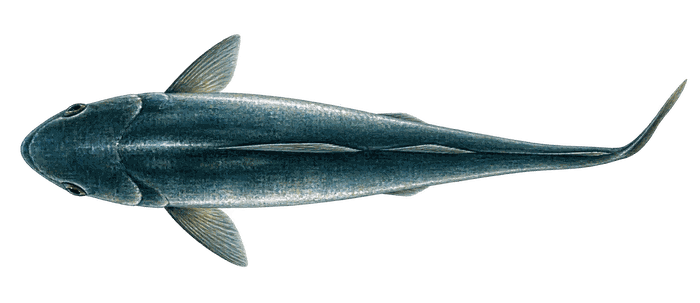
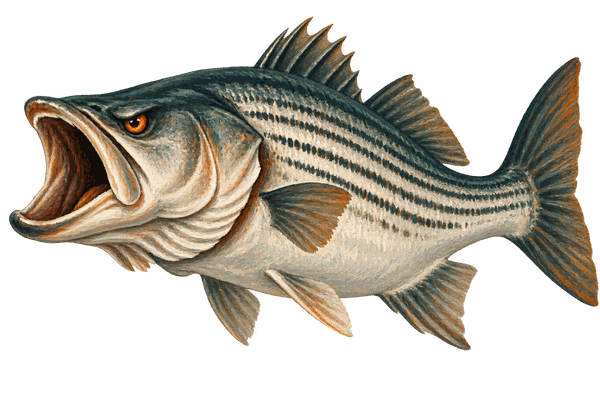
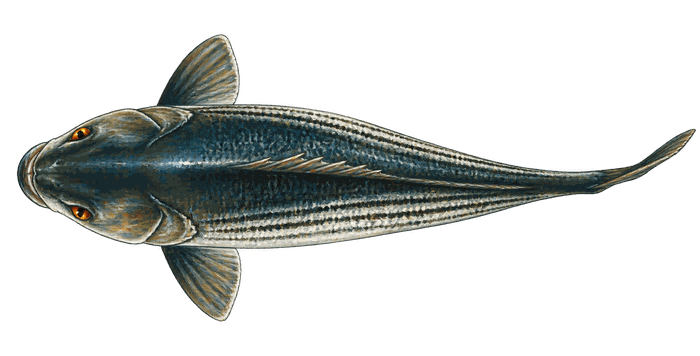
The Bay Bully, a striped bass, mouth openThe Bay Bully seen from above
Striped bass

The Bay Bully

Wanted for the first crab ever taken on this course, and most since.

Works the whole course. No lane is his, so every lane is.

Comes in at a steady swim, a dark shape under the surface with a halo of shadow around it.

The tell is a gasp along the rail and nothing else. By the time you see the shape it is close.

The strike breaks the surface straight up under the crab and goes back down with it.

Pace middling. He does not hurry. He has never needed to.
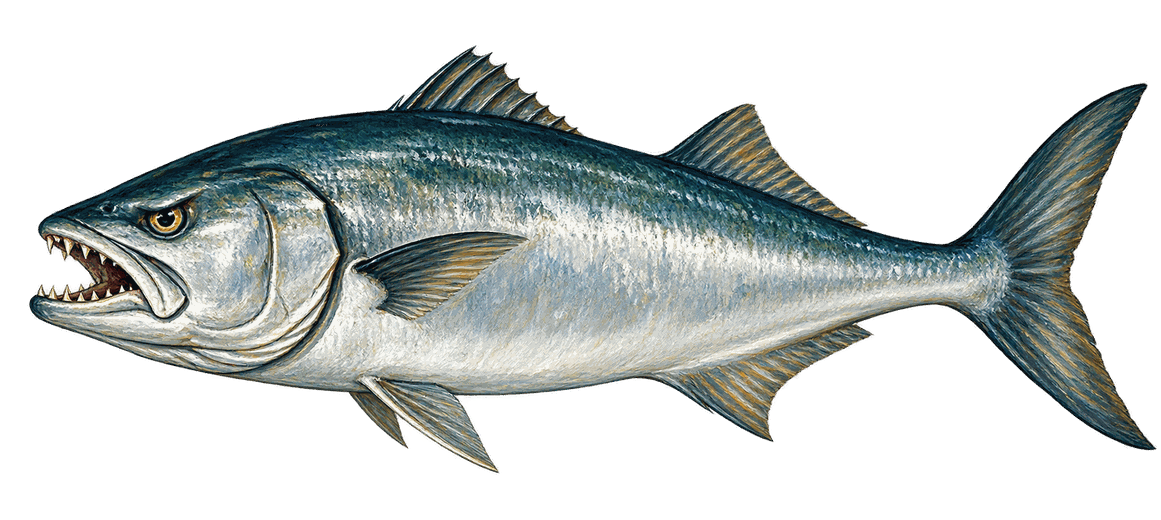
The Chopper, a bluefish with its teeth showingThe Chopper seen from above
Bluefish

The Chopper

Wanted for taking a crab and the rope it was next to.

Works fast and shallow. If the water looks nervous, that is him.

Comes in zigzagging, side to side the whole way, never on the line you expect.

The tell is a run of quick clicks, like teeth, before the shape shows.

The strike is two snaps where one would do.

Pace the fastest of the five. From the first click to the splash is not long.

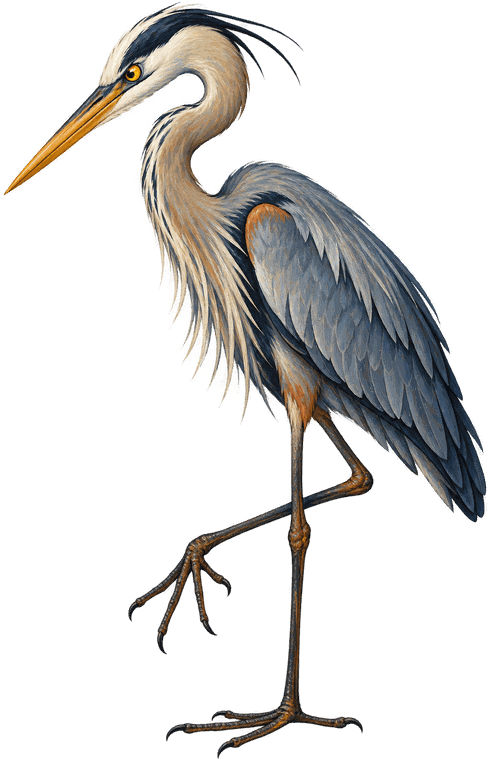
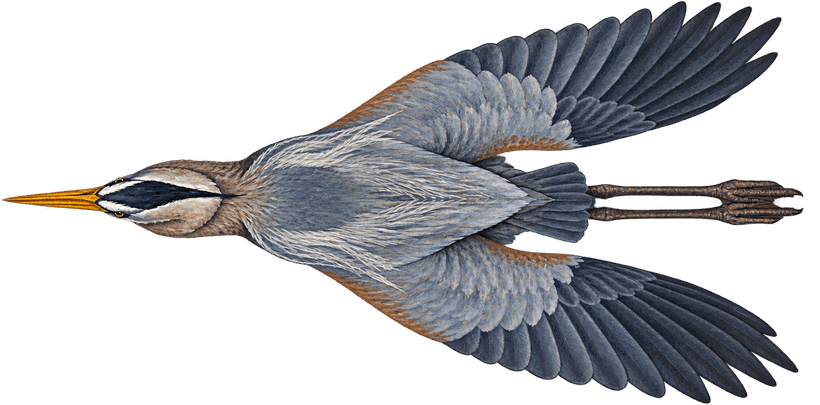
Long Legs Larry, a great blue heron standing in the shallowsLong Legs Larry gliding, seen from above
Great blue heron

Long Legs Larry

Wanted for standing in lane four for twenty minutes once, which is against the rules, then eating the crab that complained.

Works from the air. The only one of the five that does not come up through the water.

Comes in gliding over the course in plain sight, his shadow sliding across the water below him.

The tell is wingbeats, three of them, and then quiet.

The strike is a dive, a stab and a squawk. He stands over the lane a moment afterward, as if nothing happened, then lifts off and is gone.

Pace quick on the glide, patient before it.

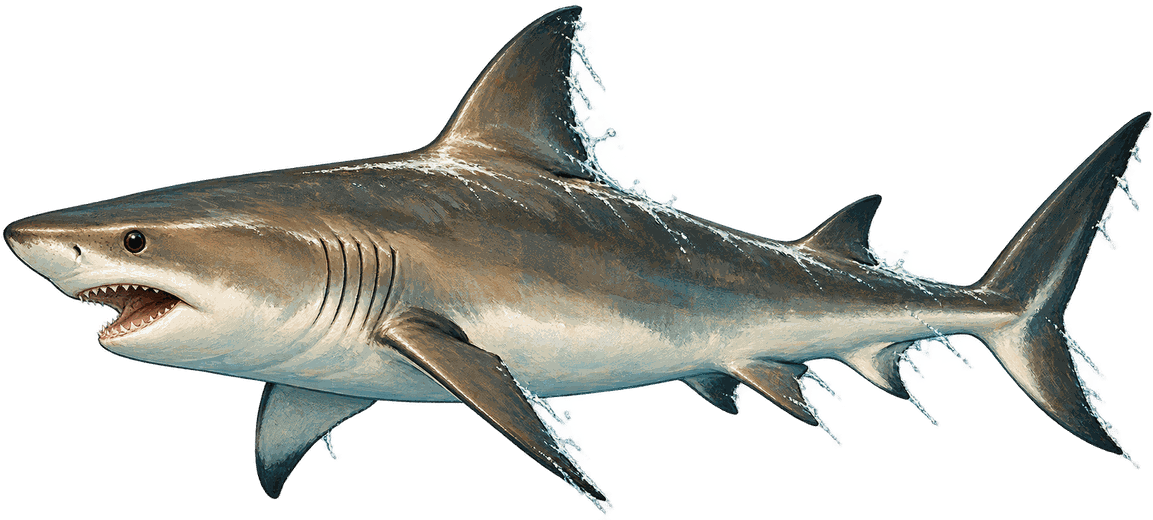
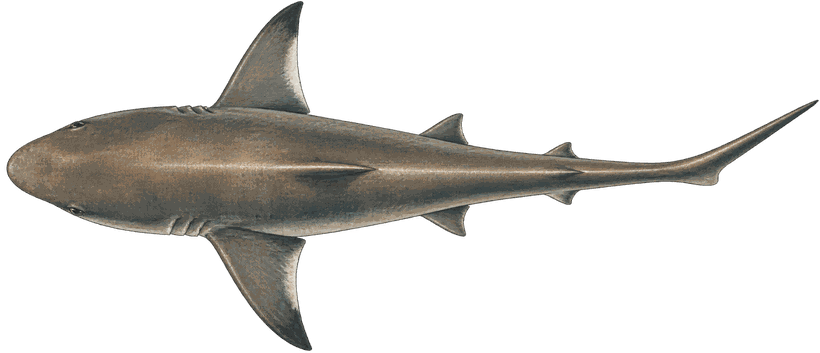
Sandbar Sammy, a sandbar shark breaking the surfaceSandbar Sammy seen from above
Sandbar shark

Sandbar Sammy

Wanted for the shadow beneath the starting line. Nobody has proved it is him. Nobody has gone to check.

Works the deep side of the course, where the water goes dark early.

Comes in with his fin up, a white cap on it and a long foam wake behind.

The tell is a low rumble you feel in the dock before you hear it.

The strike comes up sideways, all of him at once, and the splash reaches the next lane.

Pace slow and sure. You will see him coming. It will not help.

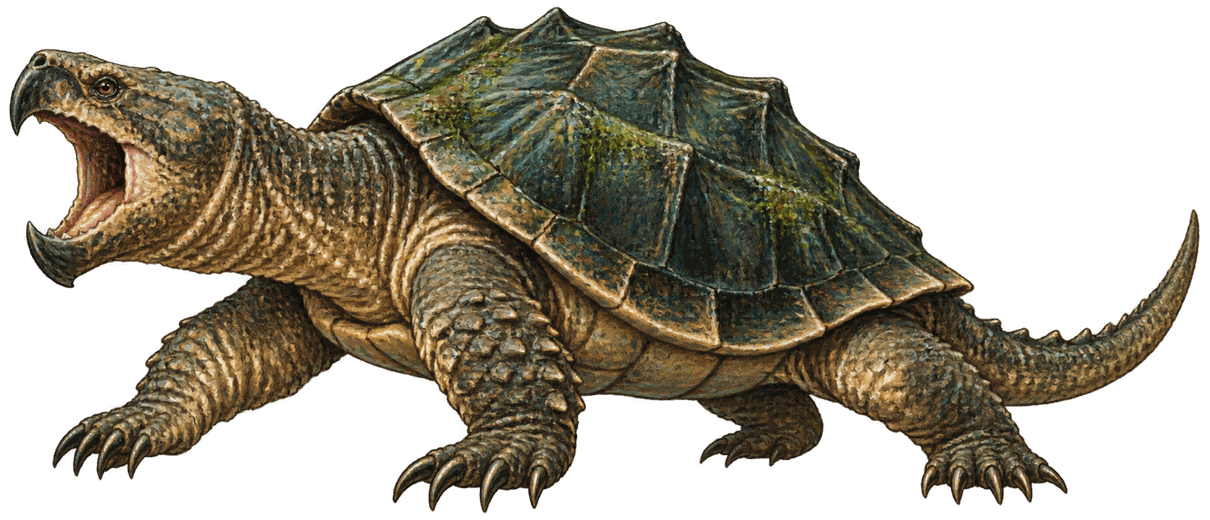
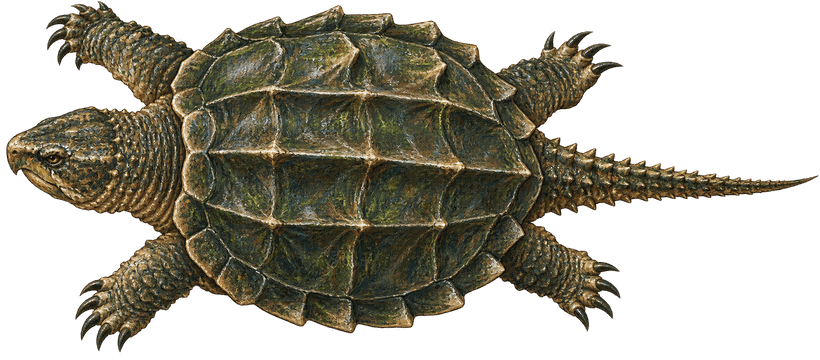
Old Snapper, a snapping turtle with his jaws openOld Snapper seen from above
Snapping turtle

Old Snapper

Wanted for being here before the boardwalk, the ropes, the bulbs and the crabs, and holding it against all of them.

Works the bottom. He does not swim to a crab so much as arrive under it.

Comes in on a crawl, slow enough that you may think he has changed his mind. He has not.

The tell is the same rumble as Sammy's, and then a long wait.

The strike is one crack of the jaws and a thump. Nothing fancy, nothing left.

Pace the slowest on the course, which is the frightening part.

What a strike does to your ticket

A crab that is taken is out, and not just for that race: it is scratched for the rest of the day, and the next crab on its bib steps in from the stable for the races that follow. It does not place, it does not refund. On the public race the pool pays out on the winner as usual, so money on the eaten crab goes to the people who backed the one that got home. On the practice track the same rule holds against your play bank. There is no price for the hunters because there is nothing to price: they come when they come, to any lane, and the odds board already carries that risk in every line. If you want to know how, read how the odds work.